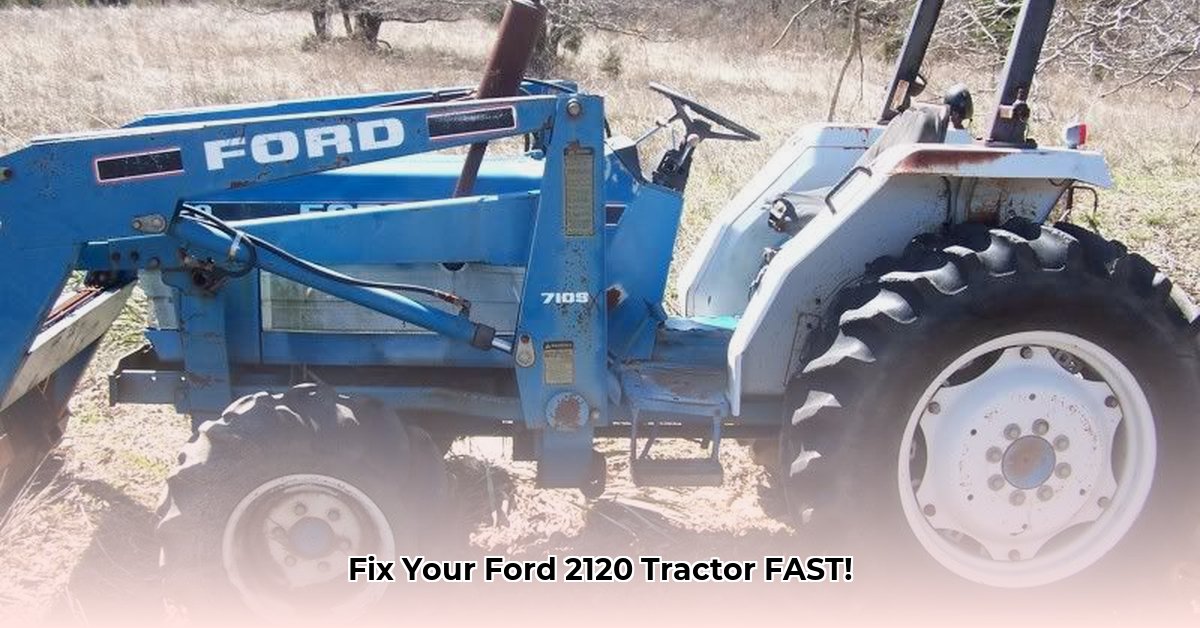
This comprehensive guide tackles common issues affecting the Ford 2120 tractor, offering practical troubleshooting steps and preventative maintenance advice. We'll cover engine problems, hydraulic system malfunctions, transmission troubles, and electrical system woes, providing solutions for both the DIY enthusiast and those seeking professional assistance. Finding parts for this older tractor can be challenging, so we'll address that crucial aspect as well. For additional equipment, check out Front End Loaders.
Engine Troubles: Restarting Your Ford 2120's Heart
The engine is the lifeblood of your Ford 2120. Let's diagnose and fix some common engine problems. Have you ever experienced a frustrating "no start" situation? What about sudden stalling, sluggish performance, or excessive oil consumption? These are all common indicators of potential engine issues.
Problem #1: Hard Starting (The "No Start" Situation)
Symptoms: Engine cranks slowly or fails to start.
Potential Causes: Low battery (check voltage with a multimeter), clogged fuel filter (inspect and replace if dirty), faulty glow plugs (test with a multimeter and replace if necessary), air trapped in the fuel lines (carefully bleed the lines).
Troubleshooting Steps:
- Check Battery Voltage: Use a multimeter to verify sufficient battery charge. (A low voltage indicates a weak or dead battery requiring a jump start or replacement.)
- Inspect Fuel Filter: Examine the fuel filter for blockages. (A clogged filter restricts fuel flow to the engine.)
- Bleed Fuel Lines: If air bubbles are present, carefully bleed the fuel lines according to your tractor's manual. (This removes air that can prevent starting.)
- Test Glow Plugs: Verify glow plug function using a multimeter. (Failing glow plugs can prevent starting, especially in cold weather.)
Problem #2: Sudden Engine Stalling
Symptoms: Unexpected engine shutdown.
Potential Causes: Fuel pump failure (check pump operation), dirty air filter (inspect and replace if necessary).
Troubleshooting Steps:
- Inspect Fuel Pump: Check for fuel pressure and pump operation; replacement may be necessary.
- Replace Air Filter: Dirty air filters restrict airflow, hindering combustion and causing stalling.
Problem #3: Sluggish Performance or Power Loss
Symptoms: Reduced engine speed and power output.
Potential Causes: Clogged fuel injectors (cleaning or replacement may be required), dirty air filter (replace promptly).
Troubleshooting Steps:
- Clean or Replace Fuel Injectors: Professional cleaning or replacement is often necessary. (Clogged injectors hinder efficient fuel delivery.)
- Replace Air Filter: A clogged air filter will cause a serious loss in power.
Problem #4: Excessive Oil Consumption
Symptoms: Noticeably faster oil level drop.
Potential Causes: Worn piston rings or valve stem seals (require professional attention and overhaul).
Troubleshooting Steps:
This issue usually requires professional diagnosis and repair due to the complexity of addressing piston rings and valve stem seals.
Hydraulic System Maladies: Lifting the Load
The hydraulic system is vital for lifting and operating implements. Let's troubleshoot common issues. Experiencing weak lift capacity, hydraulic leaks, or a slow/jerky three-point hitch? It's time to address these problems.
Problem #1: Weak Lift Capacity
Symptoms: Three-point hitch struggles to lift implements.
Potential Causes: Low hydraulic fluid (check and refill as needed), faulty hydraulic pump (inspection and repair or replacement may be needed), clogged hydraulic filters (replace filters).
Troubleshooting Steps:
- Check Hydraulic Fluid Level: Ensure the fluid level is correct; top off or replace as needed.
- Inspect Hydraulic Pump: Assess pump condition; a worn pump may need repair or replacement.
- Replace Hydraulic Filters: Clogged filters restrict fluid flow, impacting lift capacity.
Problem #2: Hydraulic Leaks
Symptoms: Visible fluid leakage.
Potential Causes: Damaged hoses or seals (inspect for damage, replace as needed).
Troubleshooting Steps:
- Inspect Hoses and Seals: Carefully examine all hoses and seals for cracks, wear, or damage. Replace any faulty components.
Problem #3: Slow or Jerky Three-Point Hitch
Symptoms: The three-point hitch moves sluggishly or erratically.
Potential Causes: Air trapped in the system (bleed the system according to your tractor's manual).
Troubleshooting Steps:
- Bleed Hydraulic System: Follow the instructions in your tractor's manual to bleed air from the hydraulic system.
Transmission and Clutch Issues: Shifting Gears Smoothly
Problems with the transmission and clutch can significantly impair your tractor's operation. Hard shifting, grinding noises, or clutch slippage can indicate serious issues. These often require professional diagnosis and repair due to their complexity.
Electrical System Glitches: From Dim Lights to Complete Failure
Electrical problems range from dim lights to complete system failures. Inspect wiring, switches, and components for any damage or wear. Often, it's a simple matter of replacing a damaged component.
Preventative Maintenance: A Proactive Approach
Regular maintenance is crucial for preventing many of these problems. Develop a maintenance schedule that includes regular oil changes, filter replacements, and fluid checks.
Sourcing Parts: The Hunt for Ford 2120 Components
Finding parts for older tractors can be difficult. Utilize online marketplaces, tractor salvage yards, and specialized parts suppliers.
Conclusion
Addressing Ford 2120 tractor problems requires a systematic approach. While many repairs are DIY-friendly, don't hesitate to seek professional assistance when needed. Regular maintenance is paramount to avoiding costly repairs and keeping your tractor running smoothly for years to come. Remember, proactive maintenance translates to a prolonged lifespan for your trusty Ford 2120.